 Ruben Roel
Computers and Cell Phones have transformed the way we work and communicate. As technology continues to expand, we end up with a new field of work – Computer Forensics. Just as traditional forensics uncovers the truth behind a crime scene, computer forensics deciphers the story hidden within digital information. Whether it’s a high-profile corporate data breach or an intimate dispute over a family computer, computer forensics serves as a pivotal tool in today’s justice system.
Consider this scenario: an anonymous threat is sent to a corporation via email. The sender’s identity is hidden, the email account is untraceable, and the trail seems cold. But just when all hope seems lost, a computer forensics expert steps in. Using specialized techniques, they uncover hidden digital footprints, leading to the identity of the perpetrator. It sounds like a scene from a high-tech thriller, but this is the reality of computer forensics – a reality that is becoming increasingly relevant in our digital age.
What is Computer Forensics?
Computer forensics, also known as digital forensics, is the practice of collecting, analyzing, and reporting on digital data in a way that is legally admissible. It involves the preservation, identification, extraction, interpretation, and documentation of digital evidence. This discipline, while sharing some common ground with cybersecurity and information technology, stands out due to its focus on evidence for legal cases and prevention of crime.
The field has grown in leaps and bounds from its early days when law enforcement agencies first started using digital techniques to solve crimes. Today, computer forensics is a recognized field of study with dedicated tools, techniques, and professionals who specialize in everything from data recovery to intricate analysis of network logs.
How Does Computer Forensics Work?
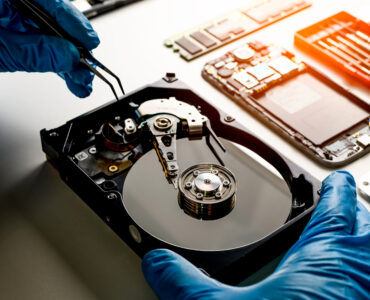
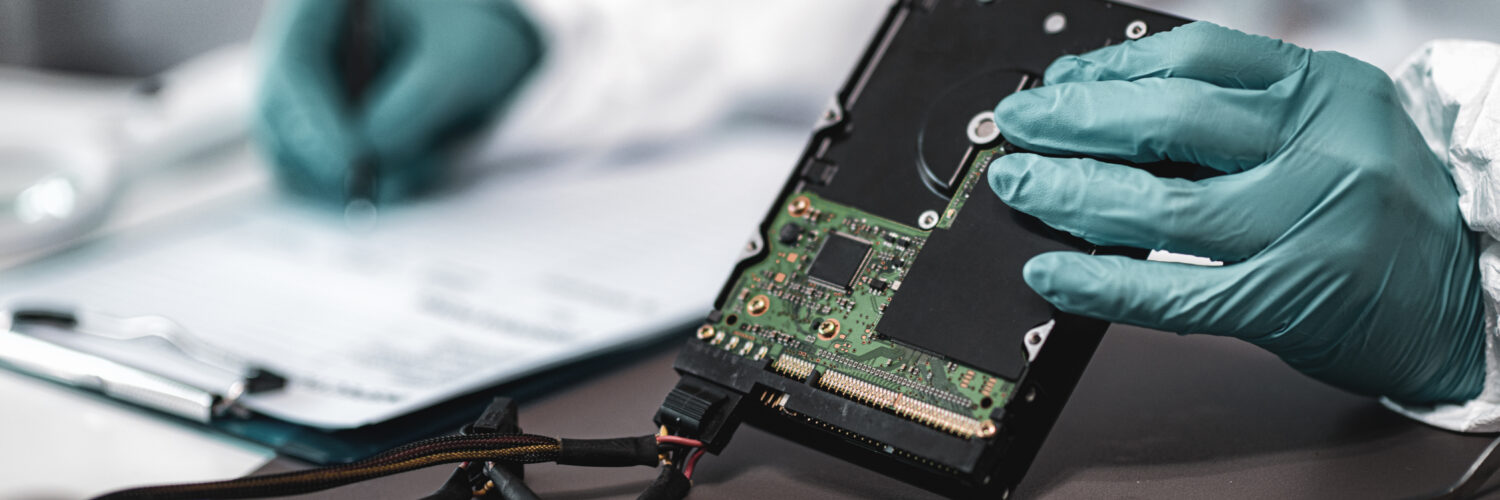
The process of computer forensics is intricate and requires a blend of technical expertise and methodical precision. It starts with the identification and preservation of digital evidence to prevent any alteration or destruction. This process might involve creating a duplicate, or ‘image’, of a hard drive to ensure the original evidence remains unaltered.
Extraction is the next step, where data is retrieved from the imaged digital devices. Not only the existing data but also deleted files, hidden data, and even fragments of data that no longer appear to be connected to anything can be recovered. The interpretation stage involves understanding the extracted data and its relevance to the case at hand. Finally, the findings are documented in a report that can be presented in court.
The breadth of tools and techniques used in computer forensics is vast. For instance, disk imaging creates an exact copy of a storage device, file carving retrieves files from a hard drive without a file system, and live memory forensics analyzes data from the random-access memory (RAM) of a computer.
What Can Computer Forensics Find?
The reach of computer forensics is far and wide. It can uncover emails that have been sent or received, websites visited, documents created or edited, and even deleted files. In essence, anything that a user does on a computer or digital device can potentially be discovered.
In addition to raw data, computer forensics can also extract metadata – data about data. This can include information like when a file was last edited, who created it, and from where it was accessed. Even the smallest fragment of data can sometimes hold the key to a case, making computer forensics an invaluable tool in legal proceedings.
Real-world examples abound, such as instances where computer forensics experts have recovered crucial evidence leading to convictions in child exploitation cases, helped solve cybercrimes, and even tracked down the source of national security threats. These cases serve as testament to the power of computer forensics in revealing the truth that lies beneath the surface of digital data.
What Are the Future Perspectives in Computer Forensics?
As technology continues to advance at a rapid pace, so too does the field of computer forensics. We are likely to see the development of more sophisticated tools and techniques to keep up with the evolving nature of digital crimes. Simultaneously, the demand for skilled computer forensics professionals is set to increase as more sectors recognize the value of this discipline.
Moreover, we’re on the brink of new frontiers with the rise of technologies like Artificial Intelligence (AI), Internet of Things (IoT), and quantum computing. These present unique challenges and opportunities for computer forensics. For instance, AI could be used to automate parts of the forensics process, while IoT devices offer new sources of potential evidence.
But with these advances come increased complexities. Ethical and legal questions surrounding digital privacy and surveillance will become even more crucial.
Is Computer Forensics Hacking?
The line between computer forensics and hacking might seem blurred to an outsider. After all, both involve delving into digital devices and networks, often with the aim of uncovering hidden information. However, there are clear and crucial distinctions.
Computer forensics professionals operate within the law. They work on devices and networks that they have the legal right to access and analyze. Their goal is to uncover the truth and provide evidence that can stand up in a court of law.
In contrast, hacking often involves unauthorized access to networks and devices, typically with malicious intent. While some hackers may argue that they are exposing vulnerabilities to improve security, their activities are often illegal and ethically questionable.
Understanding and respecting these boundaries is crucial for anyone involved in the field of computer forensics. It’s not just about having the technical skills to analyze digital data, but also about upholding the highest standards of legal and ethical conduct.
In the grand scheme of things, computer forensics is a relatively young discipline, but it’s one that has quickly proven its worth. As we further integrate technology into every facet of our lives, the importance of this field can only grow. From solving crimes to protecting corporate data, computer forensics plays an essential role in maintaining the integrity of our digital world.
So we invite you to delve deeper and learn more. After all, in this digital age, knowledge is power, and understanding how to protect ourselves online is the first step towards a safer future.